
Parenting & Kids Development
How to Help Your Child Stick With Martial Arts
By Austin Curtis ·
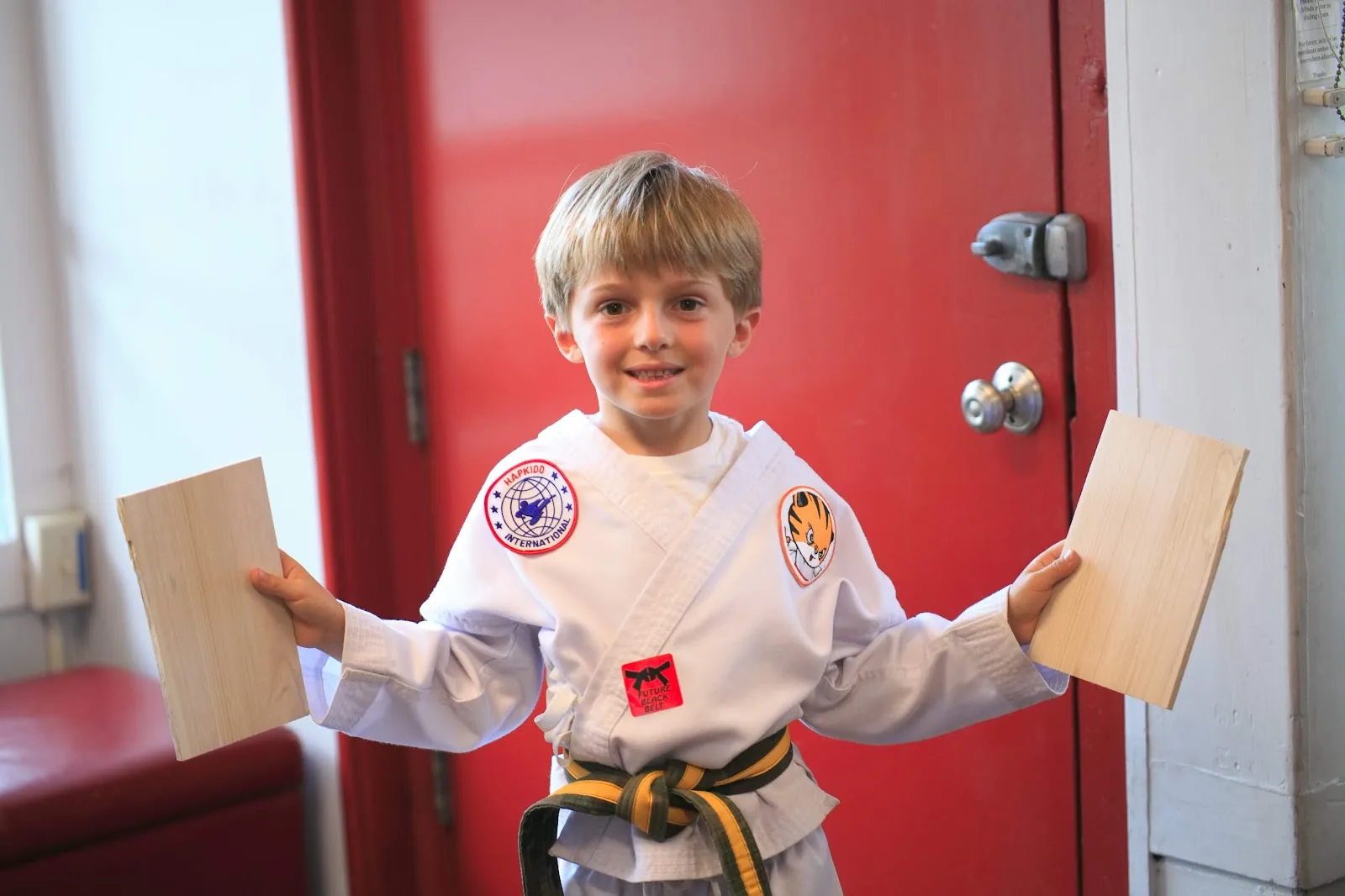
Sooner or later, most kids hit a stretch when they don't feel like going to class. That's normal. It isn't a sign that martial arts is wrong for them, and it doesn't mean you've done anything wrong. How a family handles those weeks often decides whether a child gets to experience the deeper rewards of training.
Here's what we believe about consistency, how we support it at the dojo and what you can do at home.
What we believe
Motivation comes and goes, for kids and adults alike. One day your child is determined to earn a Black Belt. The next, they want to quit. A pep talk wears off. A routine doesn't.
Boring is actually best. Excitement burns out, and so does frustration. Nobody wakes up excited to brush their teeth, but we do it every day because it matters. Consistency is what builds skill, and rewarding consistency matters far more than rewarding talent. The skill level your child reaches is secondary to the qualities they build along the way: perseverance, grit, humility and self-control.
We also believe in patience. Kids reinvent themselves often, and a child who is reluctant this month may be eager before long. We don't hold a hard stretch against a student, and we hope you won't either. Raising strong kids takes a village, and we're on your team in our kids classes and family classes.
Make a commitment and a routine
Before the hard weeks come, get your child's commitment. Not forever, and not all the way to Black Belt. Start with something realistic, like a season or reaching their next belt. It should be long enough for the awkward beginner phase to pass and for them to build a relationship with their instructor. Then hold to it together. Martial arts is a great place to learn this, because there's no team to let down. It's about keeping their own word.
Ask questions that make them think. When they're fired up, ask, "What will you do if you don't feel like going next week?" When they're unmotivated, relate it to your own life: "Sometimes I don't feel like going to work or doing hard things either, but I still follow through."
Then make class a standing appointment. Choose the days, put them on the family calendar and treat them like school. On the weeks your child doesn't want to go, tell them the plan the day before rather than in the car. If they're healthy, go anyway. Most of the time, the reluctance fades once they're on the mat.
Give them a goal, and notice the effort
Belts give kids something concrete to work toward, and each one stands for skills they've practiced and can show. Further along is the path to Black Belt. Students who show promise, with good attendance, steady effort and a real desire to train beyond the basics, receive a private invitation to join Black Belt Club. Talk with your child about their next specific step, like a new technique or the next stripe or belt.
Help them see achievements for what they are: milestones along the way, not the finish line. A child who sees the belt as the goal may stop once they reach it. A child who sees it as proof of consistent effort keeps going.
After class, mention one thing you saw: a sharp bow, a strong voice during the Student Creed or helping a partner find their place. "Good job" is nice to hear, but it doesn't tell them what to repeat. We do the same on the mat, praising the direction a child is heading, not just the result.
Keep the coaching on the mat, and talk to us
Coaching from the sidelines usually adds pressure. I once had a parent calling out, "Use your left hand! No, your left hand!" during class. I paused and said with a smile, "I'm thinking about making you my assistant instructor, your coaching skills are impressive!" Everyone laughed, including the parent. Then I added, "If anyone wants to coach their child, we'd love to have you on the mat in a uniform." That invitation is real. When kids see a parent showing up and working hard, they want to keep up.
If your child has a rough week, a change at school or something hard at home, let your instructor know. We'd rather hear about a concern early than after a child has stopped coming.
Perseverance is one of our tenets, and our definition is simple: "I motivate myself to get it done." The weeks when your child doesn't feel like going are the weeks they learn it most deeply. With a commitment, a routine, specific encouragement and a team behind them, they'll come out proud of themselves for sticking with it.
Have questions or want to learn more? Contact us using the form below, and we'll be glad to help.
Step 1 of 2
Contact us for more information
Start with your name, phone, and email.