
Parenting & Kids Development
Martial Arts as an After-School Activity: What to Look For
By Austin Curtis ·
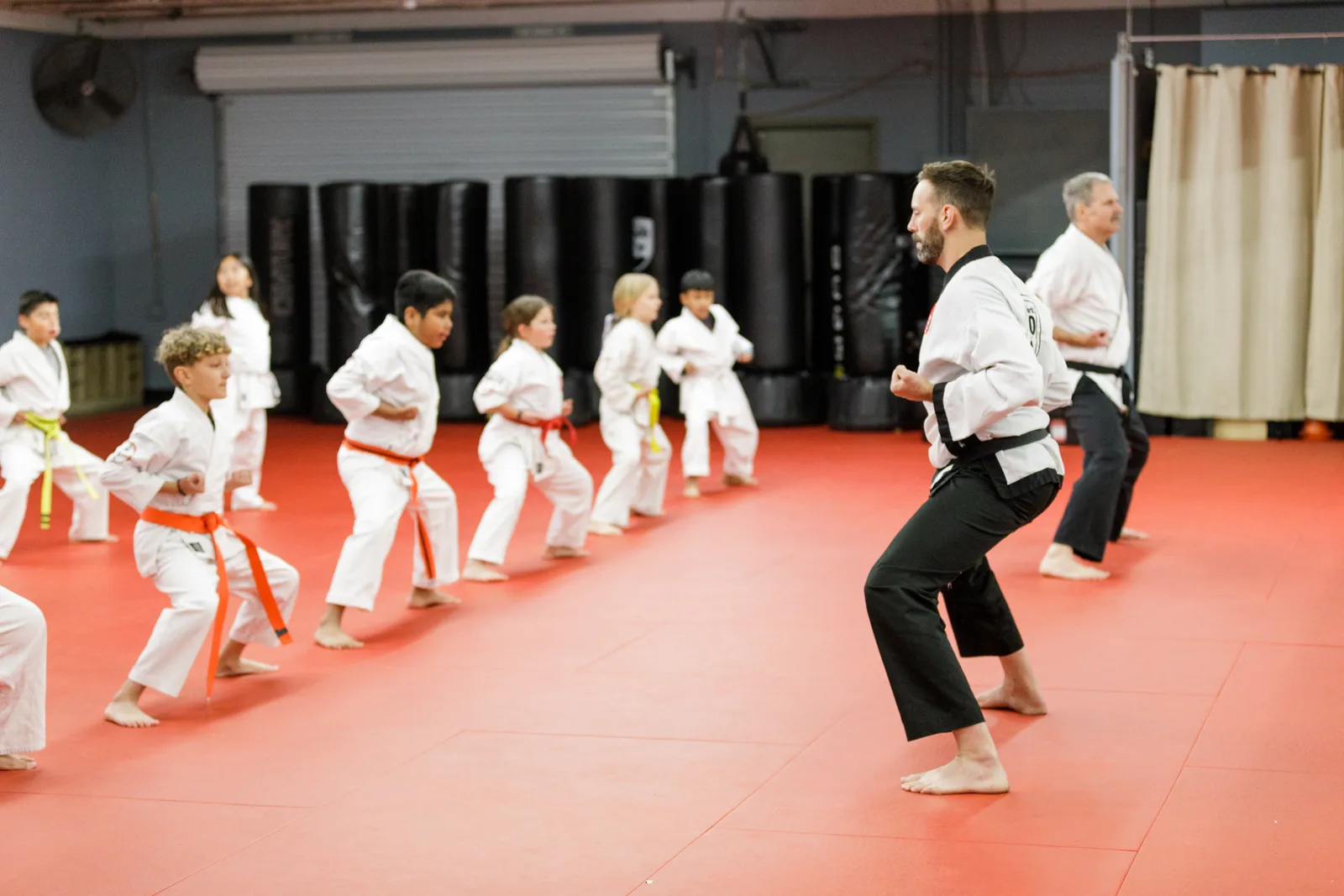
Choosing an after-school activity is one of those decisions that looks small and turns out to matter a lot. It shapes your child's week, your family's schedule and, often, the people your child looks up to. Whether you choose martial arts, music, a sport or something else, here is what I'd look for. I'll also tell you how we approach each one at our dojo.
Look at the instructors first
Fancy equipment and trophies don't make a great program. What separates a great one from "just another after-school activity" is the quality of the people teaching it.
A math tutor or a dance teacher may not be asked to shape character. Martial arts instructors are. Kids watch us closely, and how we act often teaches more than any technique. Our instructors live by a simple creed: "I am safe, patient, and enthusiastic. I lead by example, guide with encouragement, and give space for growth."
When you visit any program, watch for those qualities. Does the instructor know the kids' names? Do they correct without embarrassing anyone? Watch how they handle a moment of chaos or a child who is frustrated or shutting down. Emotional safety matters as much as physical safety, and a skilled teacher knows when to encourage, when to adjust and when to give a child space.
Look for structure and high expectations
Kids do well when they know what's coming. Every one of our classes follows the same shape. We open with a bow and our Student Creed, said out loud with energy, then warm up with students counting out loud and introducing themselves to a partner. Next come basics, partner drills where students rotate to train with different people, and self-defense that connects the training to real life. We close by recognizing effort, reciting our tenets together and bowing out. Because the shape is familiar, kids can put their energy into effort instead of wondering what happens next.
Structure is only half of it. Some programs keep kids busy. Others help them grow. We don't fill time with childish games or water down techniques for children, because kids rise to high expectations far more often than we give them credit for. A good activity should ask something real of your child. They should have to focus, try again after a mistake and work toward a goal, like the next belt.
Look for belonging and a real partnership
The best activities become a second home. In a good dojo, kids find role models in older students and instructors, and they make friends because they work through challenges together. We teach kids to find a partner, introduce themselves, remember names and train with someone new instead of only their best friend. For many children, that's a skill they use for the rest of their lives.
Raising strong, disciplined kids also takes a village. A good program treats you as a partner, not someone who drops off and picks up. Can you talk to the instructor? Will they tell you what your child is working on and how to help at home? Are you welcome to watch, or even to train? At our dojo, many parents end up on the mat themselves, and our family classes have become the heart of our school.
It's worth visiting more than one place before you decide. Notice how you're greeted, whether the older students set a good example and whether younger ones are treated with patience. Then trust your instincts. At the end of class, the kids should look sweaty, smiling and eager to come back.
How our kids classes fit into the week
Our youngest students start in preschool. By early grade school, sometimes a little sooner, most children are ready to train on their own in a family class without a parent beside them. Kids classes run at each of our locations in Santa Barbara, Goleta and Granada Hills, and you'll find the days and times on each dojo's class schedule. We don't run a separate after-school block, so your child simply joins the class that fits your week.
Every new student starts with a private introductory lesson before joining a group. That gives your child a chance to learn the basics and connect with an instructor first, so they can succeed in the group from the very first class.
One more thing. How you talk about the activity shapes what your child gets from it. If you treat martial arts as just another after-school activity, it will be. If you frame it as part of their education, the way you'd treat reading or swimming, it becomes much more than that.
No activity is perfect for every child. But if you find instructors who see your child as a whole person, a structure that helps them focus and a community where they belong, you've found something worth making room for.
Have questions or want to learn more? Contact us using the form below, and we'll be glad to help.
Step 1 of 2
Contact us for more information
Start with your name, phone, and email.