
Parenting & Kids Development
Raising a Bullyproof Kid: Voice, Posture and Getting Help
By Austin Curtis ·
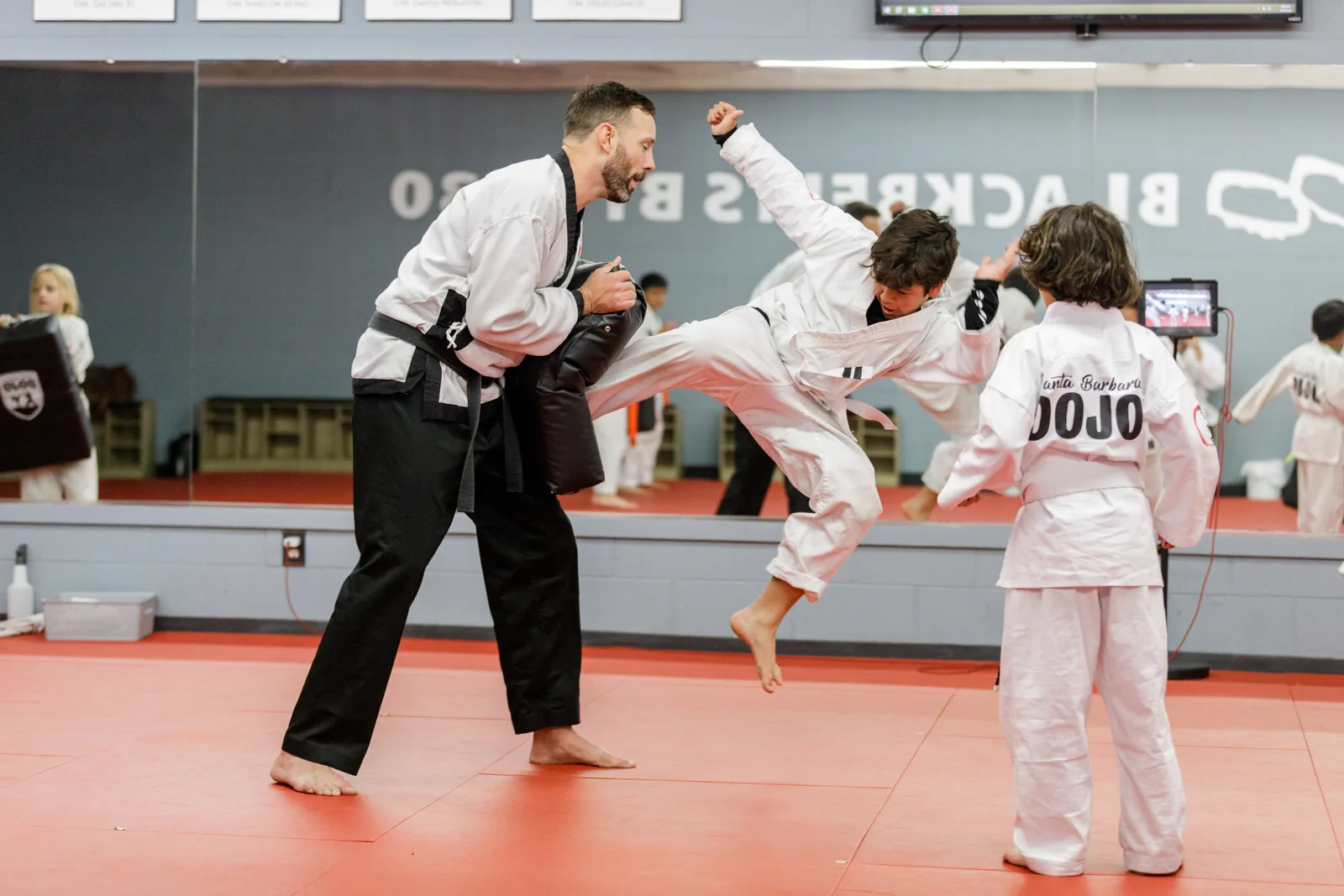
No parent wants their child to be bullied, or to feel like they have no options when it happens. Martial arts can help a great deal, but maybe not in the way you'd expect. Being bullyproof doesn't mean knowing how to win a fight. It means carrying yourself in a way that makes trouble less likely, and knowing exactly what to do when it shows up anyway.
What we believe
The goal is for a child never to need a strike. We want kids who know how to protect themselves, not because they want to fight, but because they want to live in peace. We teach blocks and escapes, because those are part of Hapkido and part of staying safe. But the skills that matter most against bullying are a clear voice, a tall posture and the confidence to leave and get an adult.
We also believe fear is the enemy of learning. Children who are scared freeze. So we teach safety without fear, using language that builds kids up. We don't say "you'll get hurt." We say "here's how you stay protected."
A strong voice and a tall posture
A child who can say "Stop!" loud enough to be heard ends a lot of playground moments before they start. That voice doesn't appear overnight. We build it in every class. Our kids classes open with the Student Creed, said out loud. If it comes out as a mumble, we say it again. Students count out loud during warm-ups, and when voices are weak, we ask, "If you can't be loud here, how will you call for help in a real situation?" Kids also stand in front of the class and announce themselves before receiving a new rank. Our youngest students start building that voice in preschool.
Kids who look at the floor and shrink into themselves can become easier targets. So we spend time on how students stand, line up and walk into a room. Straight lines, sharp stances and eyes forward change how a child carries themselves, and that posture follows them into the hallway. At the start of class, students also practice introductions with a handshake and eye contact. A child who can look someone in the eye and speak clearly is less likely to be singled out, and more likely to make friends who have their back.
Leaving, getting help and staying calm
Walking away is a skill. So is telling an adult. We don't treat either one as something only for kids who "can't handle it." Kids practice the words, the posture and the exit, so that if the moment comes, their body already knows what to do.
We still teach how to block and how to get free from a grab, because a child who knows they can protect themselves stands differently. We teach these skills with fear-free language, like "Keep your hands up. Your hands are your shield," and with control, reminding students that a partner's job is to help each other learn. Before any of that, kids learn to fall safely, which makes them less afraid of being pushed and less afraid of trying new things.
Parents often tell us about the same kind of moment. A child is provoked at school but chooses words first, creates space and puts their hands up to show they don't want to fight. The teacher is impressed. The bully backs off. That's what we're training for.
What you can do at home
- Practice the "Stop" voice together. Make it loud, clear and a little bit fun.
- Role-play the exit. What would you say? Where would you go? Which adult would you tell?
- Ask specific questions. "Who did you sit with at lunch?" tells you more than "How was your day?"
- Notice and name strong moments. "You stood really tall when you said that" reinforces the habit.
- Resist fixing it for them. Ask, "How might you handle that?" If they have a concern about class, encourage them to tell their instructor directly. Speaking up for themselves builds confidence.
- Tell us what's going on. If your child is dealing with a bully, let your instructor know so we can support them in class.
Real confidence comes from proving to yourself, over and over, that you can handle hard things. Bullyproof kids aren't the toughest kids in the room. They're the ones who know their own worth, use their voice and know they don't have to handle everything alone.
Have questions or want to learn more? Contact us using the form below, and we'll be glad to help.
Step 1 of 2
Contact us for more information
Start with your name, phone, and email.