
Parenting & Kids Development
Your Child's First Martial Arts Lesson: What to Expect
By Austin Curtis ·
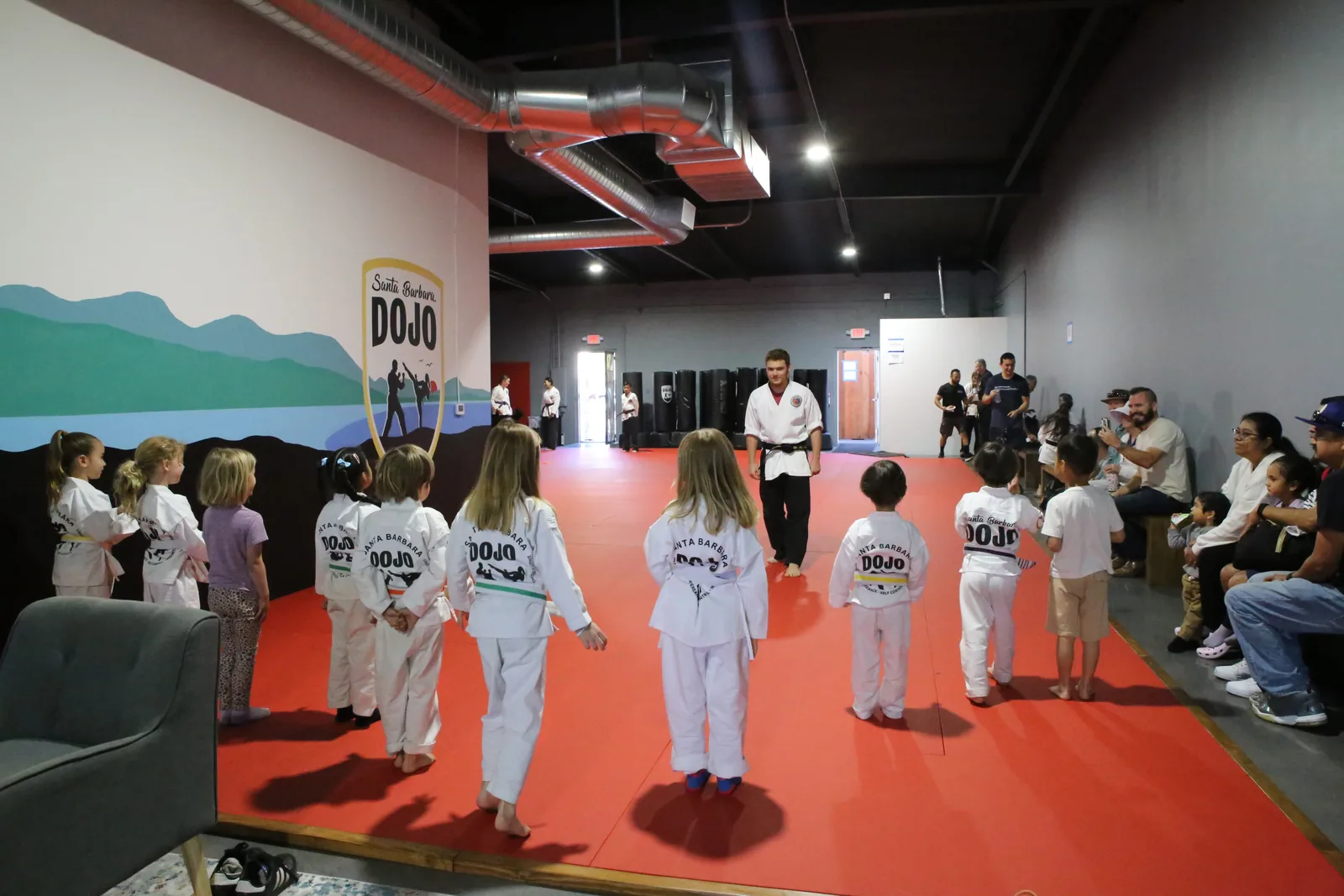
Many martial arts schools start a new student by putting them straight into a group class. We used to do something similar. Over time, we learned not to. Today, every new martial arts student at our dojo starts with a private introductory lesson, whether they're a young child, a teenager or an adult. (Adults joining our kickboxing program start a little differently, with an orientation meeting with a coach.)
Here's what happens in that lesson, why we think it makes all the difference and how you can help your child get ready.
Why we start with a private lesson
A first experience shapes a lot. When parents bring a child to a dojo, they're choosing more than an activity. They're deciding whether this is a place where their family belongs. And for a child, walking into a room full of students who already know what they're doing can be overwhelming. Watching a whole class from the side doesn't always help either. Younger children often have a hard time picturing themselves doing what they see, and complex drills can look more scary than fun.
Many kids also feel an unspoken pressure to be good at something right away. Video games are built with easy early levels and quick wins, and kids often expect real skills to work the same way. If the first class feels too hard, they may decide it isn't for them.
A private lesson changes that. Your child meets an instructor one-on-one, asks questions, makes mistakes without an audience and builds a real connection before they ever step into a group. By the time they join their first class, they already know the bow, the basics and at least one friendly face on the mat, so they can succeed in the group from day one. It's better for the class too, because the instructor can teach the whole room instead of stopping to manage uncertainty.
What happens in the introductory lesson
We set expectations. We explain what the lesson will cover and what a group class looks like, and we invite parents to take part, not just watch. Many parents are surprised by how much fun they have.
We introduce respect and etiquette. Your child learns how to bow and why we do it, how we use "yes, sir" and "yes, ma'am," and our Student Creed: "I am a Martial Artist. I am building a strong body, a disciplined mind, and a resilient spirit."
We teach real basics and safety. Students learn how to make a proper fist, along with basic stances, punches and kicks, followed by a short lesson on why we never misuse what we just learned. We teach the basics of falling safely, so falling becomes something to practice instead of something to fear, and Black Belt Breathing, a simple way to calm down when things feel hard.
We make time for you. We'll answer your questions, learn what your child enjoys and what they find hard, and talk through what comes next.
Joining the group
Once your child is ready, they join a group class in our kids or family program. They'll bow in with everyone else, say the Student Creed, count out loud during warm-ups and introduce themselves to a training partner with a handshake and eye contact. They've already practiced these things, so they can focus on joining in. Instructors keep an eye on new students and pair them with partners who will help them feel welcome.
If a child isn't quite ready for the group after the first lesson, that's okay. We'll schedule another private lesson so they can build a little more confidence first. Starting well matters more than starting fast.
How you can help
- Paint the picture. Talk with your child about what will happen, and set the expectation that the goal of the first day is to try, not to be perfect.
- Prepare the basics. Clean feet, trimmed fingernails, long hair tied back, comfortable clothes and water.
- Arrive a little early, introduce your child to the instructor, then give a short goodbye so they can focus.
- Tell us about your child. If they're shy, anxious or very energetic, let us know so we can meet them where they are.
- Celebrate the trying. Afterward, mark the moment with a favorite snack, a family activity or simply telling them you're proud of their courage. Celebrating effort, not performance, takes away the fear of messing up.
The goal of the first day isn't to create a martial artist overnight. It's to set the tone. When the first step is designed for success, kids walk into their first group class believing they belong there, and they do.
Have questions or want to learn more? Contact us using the form below, and we'll be glad to help.
Step 1 of 2
Contact us for more information
Start with your name, phone, and email.