
Martial Arts Philosophy
How Martial Arts Builds Discipline Without Punishment
By Austin Curtis ·
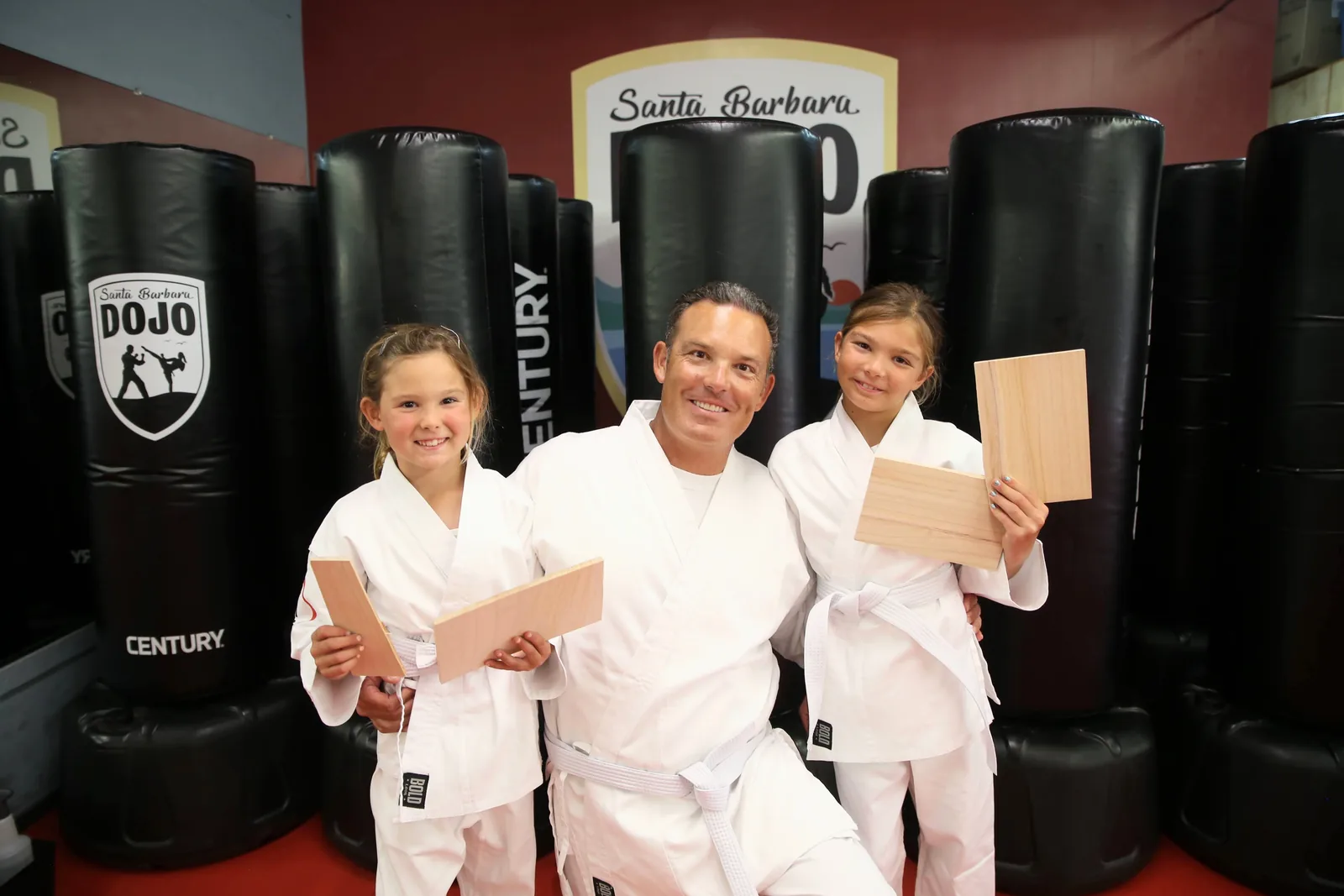
Many parents want their kids to be more disciplined. We want that too. But the word "discipline" has a bad reputation, because many people hear it and think of punishment. In our dojo, discipline means something else. It's a tool for growth. It helps students make better choices, and enforcing rules is only a small part of it.
What we believe
Discipline isn't a hammer. Used with care and intention, it shapes students into better versions of themselves. It doesn't come from an instructor barking orders or handing out push-ups for every mistake. It grows when children take responsibility for their effort, show up consistently and give their best in a challenge, with enough structure and support that they choose it for themselves.
Respect works the same way. We can't demand it. We earn it by modeling it. If respect only survives through formality, then it's really just compliance. We want students to choose discipline because they've seen what it does for them, not because they're afraid of what happens if they don't. When everyone in the room knows what's expected and rises to meet it, the class becomes something each student is proud to be part of.
The standard doesn't move
Straight lines, sharp stances and loud kiais can look like minor details. They're the building blocks of a disciplined class.
One day I walked into a family class and saw loosely tied belts, a child arguing quietly with his mom, a sulking teenager and an adult staring into space. I smiled, clapped and called, "Line up!" The lines were crooked and a few people were still drifting. So I said, warmly, "Alright, back to the edge of the mat. Let's try it again."
The next try was better, but not there yet. "Now we're starting to wake up," I said. "I like that energy, and I know we can do better." One more try, and the lines were straight and every student stood tall. "That's the standard," I told them. "On this mat, we're disciplined, focused and ready to train."
Nobody was scolded. Nobody was embarrassed. The standard simply didn't move, and the class rose to meet it. Belts work the same way. A belt in our dojo stands for skills a student has practiced and can show, and earning the next one means coming back and doing the work on the days they don't feel like it.
Correct in private, praise in public
When a student is disrupting class, the easy reaction is to call them out in front of everyone. I've learned that this mostly embarrasses them and creates resistance. So instead, I pull them aside and ask, "What's going on today? This doesn't seem like you."
I once had a talented teenager who kept interrupting during sparring drills. I sat with him off to the side and told him, "You're one of the most talented students here, but the way you're acting right now isn't helping you or your training partners get better. What can we do to fix this?" He admitted he was showing off because he felt insecure sparring with higher belts. That conversation did more than fix a behavior. It taught him to understand what he was feeling and handle it better.
Praise goes the other way. When a student does something well, we say so out loud, and we're specific. "I saw how hard you worked on your stances today" means far more than "good job."
Bringing it home
Your child can have a great instructor at the dojo, but the most important instructor they'll ever have is the one at home. You are the sensei of your house. The habits kids practice on the mat are the ones they need there too: listening when someone is speaking, staying with a task and finishing what they start.
Point out the link. If your child can stay focused through a whole class, they can focus on their homework. If they can practice a kick until it's smooth, they can redo a messy math problem without a fight. True integrity is being the same person at school, at home and at the dojo, so let your child's teacher know they're practicing courtesy, integrity, perseverance and self-control in our kids classes. Say it in front of your child, so the expectation sounds the same everywhere.
- Set the standard kindly, and keep it. Ask for a redo with a smile instead of a lecture.
- Correct in private. A quiet word works better than an audience.
- Praise specifically. Name the exact thing they did well.
Discipline built this way doesn't break a child's spirit. It gives them the structure to grow into it, in our kids classes, our family classes and at your kitchen table.
Have questions or want to learn more? Contact us using the form below, and we'll be glad to help.
Step 1 of 2
Contact us for more information
Start with your name, phone, and email.